
Understanding the AT-HM scheme: how to fund home safety modifications
Taps you can’t easily turn anymore. A slippery shower that's become a bit of a hazard. Or that raised door track in the doorway that makes you nervous about catching a toe, especially when you’re rushing inside to answer the phone.
You probably already know exactly what would make your home safer. The tricky part has always been paying for it without eating into the budget that covers your everyday care.
That's what the Assistive Technology and Home Modifications scheme (AT-HM) is for. It's worth understanding it properly, because it can help you make your home safer and easier to live in.
What is the AT-HM scheme?
AT-HM is a dedicated funding stream within Support at Home. Instead of drawing from your regular quarterly care budget, it gives you separate, upfront funding specifically for equipment and home changes.
Before this scheme existed, people often had to choose: save up over several quarters for a grab rail or a ramp, or spend that money on personal care and domestic help instead. AT-HM removes that trade-off.
What does AT-HM cover?
If you want a detailed answer, check the 38-page official AT-HM list, which covers everything from nail clippers and pet-feeding aids to fireproof flooring, vehicle adaptations and hunting or camping aids to maintain cultural practices.
The scheme is split into two categories.
Assistive technology
This is about products and equipment that make daily tasks easier and safer. Examples include wheelchairs, walking frames and walking sticks, shower chairs and bath boards, commodes, and adaptive kitchen tools like a kettle that pours itself straight into your teapot (we’d all like one of those!).
Home modifications
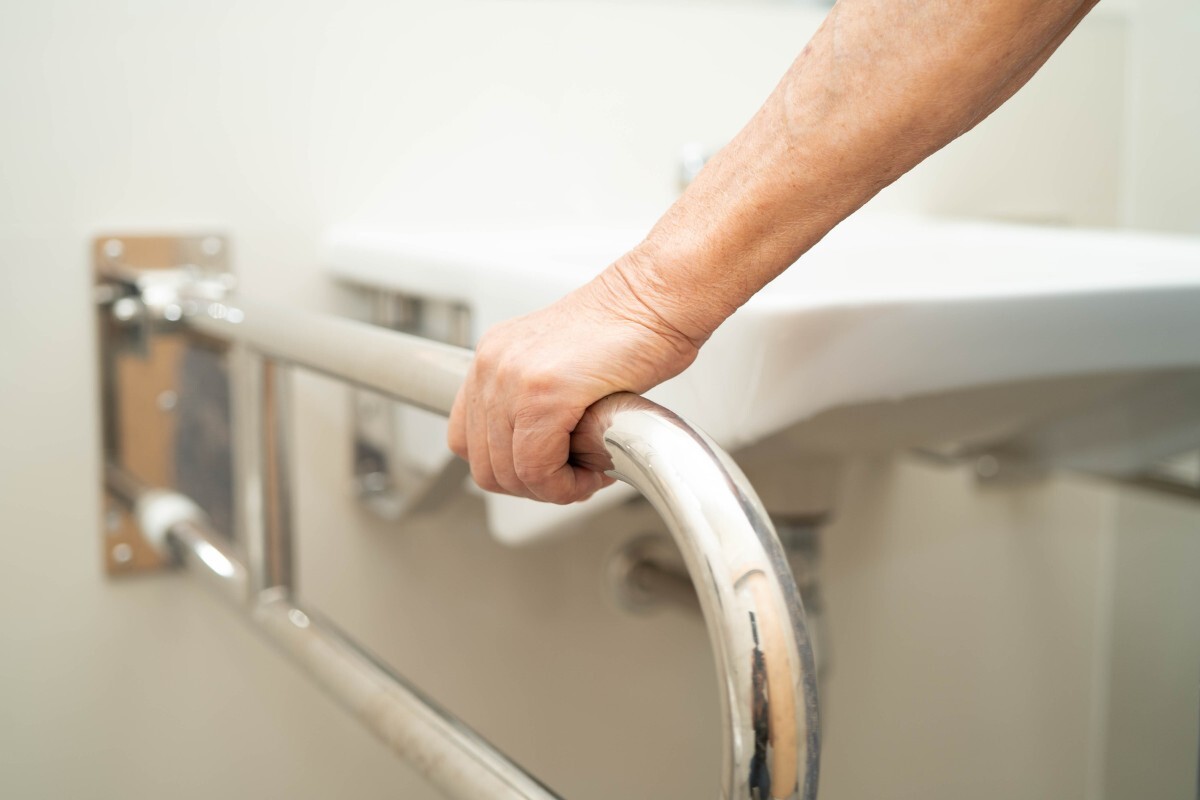
These cover physical changes to your house so it’s easier and safer for you to get about. Examples include lever taps and door handles, grab rails in the bathroom, internal handrails, low-threshold door ramps, stair lifts, and non-slip flooring or mats.
How the funding works
Once you've had an aged care assessment, you'll find out whether you're approved for AT-HM, and whether your funding is for assistive technology, home modifications, or both.
Your approval and funding tier are set out in your Notice of Decision and support plan. There are three tiers:
- Low — up to $500
- Medium — up to $2,000
- High — up to $15,000, with higher amounts possible where there's supporting evidence
These amounts are indexed each year, so it's worth checking the current figures with your provider or on the Support at Home funding page before you plan a big purchase.
Funding usually runs for 12 months. If a home modification is complex and genuinely can't be finished in that time, the period can be extended to 24 months, provided the work has already started. For people with certain progressive conditions, assistive technology funding can stretch to 2-4 years in some cases.
Understanding Co-payments
Depending on your financial situation and the type of support you need, you may be asked to make a co-payment towards the cost. Items that directly protect your safety and mobility, like grab rails, ramps, or mobility aids, are heavily subsidised, meaning you’ll likely pay very little or nothing at all depending on your means test.
Other everyday tools that simply make life a bit easier around the house may require a small percentage contribution.
Either way, you won’t have to navigate this alone. Your Suncare Care Partner can support mapping out all the costs and any co-payments with you upfront, so you know exactly what to expect before anything is ordered or installed.
Spending rules if you’re transitioning from a Home Care Package
If you transitioned from the old Home Care Package program and still have unspent funds, you'll need to use those before any separate AT-HM funding kicks in. Suncare can help you work out what's left and how best to use it.
Buying, renting or loaning equipment
Not everything needs to be bought outright. Depending on how long you'll need it, you may choose to buy, rent or loan assistive technology.
Short-term equipment can often be rented through a supplier, and some items can be borrowed through specialist programs. We can help you identify what’s available.
Getting started with AT-HM
If you’d like to explore AT-HM, the first step is a MyAgedCare assessment.
It’s important to tell your assessor that you’re concerned about the risk of falling at home or that you’re finding certain things hard to do because you can’t use standard equipment anymore. Comments like that help the assessor recognise that AT-HM funding needs to be considered alongside your ongoing support.
After that, please talk to us at Suncare. Our care coordinators can help you work out which equipment or home changes would help you and organise any professional input needed for more complex items like a stair lift or a full bathroom renovation.
Contact Suncare. We’d love to help.
Disclaimer
All information is general and not intended as a substitute for professional advice.